The Hidden Cost of "Fresh": Why Air Fresheners May Be Harming Your Home
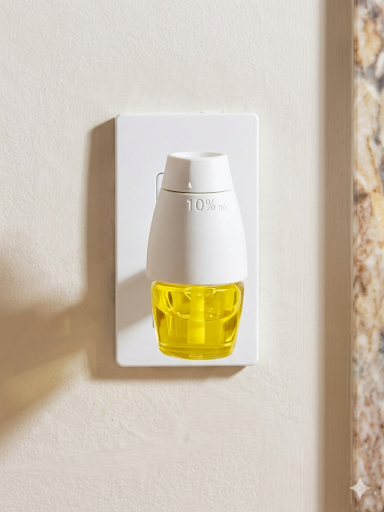
Walk into most homes, offices, or public restrooms, and you'll likely encounter a familiar scenario: a plug-in device glowing in an outlet, or the lingering mist of a recently sprayed aerosol. These products promise to transform stale, unpleasant spaces into inviting environments filled with the scent of "Hawaiian breeze," "spring meadow," or "vanilla comfort." North Americans spend over $1 billion annually on these products, trusting that a better smelling home is a cleaner, healthier home.
But what if that assumption is fundamentally backwards?
The uncomfortable truth is that commercial air fresheners don't clean your air they contaminate it. They don't eliminate odours they mask them with chemicals that may pose serious health risks. And the pleasant scent wafting through your living room might be delivering a cocktail of undisclosed compounds directly into your lungs, your bloodstream, and your body's most sensitive systems.
Understanding what these ubiquitous products actually do and what they contain is the first step toward creating a genuinely healthy home environment.
The Transparency Gap: What "Fragrance" Really Means
Pick up any air freshener, and you'll find an ingredient list that's remarkably short. Often, you'll see just a few items: "fragrance," perhaps "propellant" for aerosols, maybe "essential oils" for products marketed as natural alternatives. This apparent simplicity is deeply misleading.
Under current North American regulations, fragrance formulations are considered proprietary trade secrets. This means manufacturers can list dozens sometimes hundreds of individual chemical compounds under the single umbrella term "fragrance" without disclosing what those chemicals actually are. It's the equivalent of a restaurant listing "food" as an ingredient without mentioning whether that food contains peanuts, shellfish, or any other substance you might need to know about.
This regulatory loophole exists ostensibly to protect companies competitive formulations. But it creates a massive blind spot for consumers trying to make informed decisions about what they're bringing into their homes. Independent laboratory testing has repeatedly found that products labeled simply as containing "fragrance" can include anywhere from 10 to 300 distinct chemicals, many of which have never been tested for safety in combination or for long-term exposure effects.
The fragrance industry is largely self-regulated through the International Fragrance Association (IFRA), which maintains a list of thousands of approved ingredients. However, this system operates with minimal government oversight, and manufacturers aren't required to prove safety before bringing products to market. The burden of proof falls on regulatory agencies to demonstrate harm after products are already in widespread use a reactive approach that leaves consumers as unwitting test subjects.
This lack of transparency becomes particularly concerning when we examine what independent researchers have found lurking behind that innocuous "fragrance" label.
Three Chemical Categories You're Breathing Without Knowing It
Phthalates: The Hormone Disruptors
Phthalates (pronounced Thalates) are a family of industrial chemicals primarily used to make plastics flexible, but in fragrances, they serve a different purpose: they act as fixatives, helping scents last longer by slowing the evaporation rate of volatile fragrance compounds. They also help dissolve other ingredients and maintain colour stability.
These chemicals are remarkably effective at their job, which is precisely the problem. Phthalates don't just stay in the product they readily migrate into air, dust, and human bodies. Studies have detected phthalates in the blood, urine, breast milk, and amniotic fluid of people across all demographics, with higher levels consistently found in people who regularly use scented products.
The health concerns surrounding phthalates center on their ability to interfere with hormone systems, particularly androgens like testosterone. Research has linked phthalate exposure to:
Reproductive development issues: Studies in pregnant women have found associations between phthalate exposure and altered genital development in male infants, reduced anogenital distance (a marker of androgen exposure), and decreased testosterone levels.
Fertility problems: Men with higher phthalate levels show reduced sperm count, decreased sperm motility, and altered sperm DNA integrity. Women with elevated exposure face increased risks of endometriosis and earlier menopause. Metabolic disruption: Phthalates have been linked to insulin resistance, obesity, and type 2 diabetes, possibly through their effects on peroxisome proliferator- activated receptors (PPARs) that regulate fat metabolism.
Neurodevelopmental effects: Prenatal phthalate exposure has been associated with attention problems, reduced IQ scores, and behavioral issues in children.
The most concerning aspect? These effects can occur at exposure levels currently considered "normal" in the general population. You don't need to work in a chemical factory to be affected—regular use of scented products in your home may be sufficient.
Volatile Organic Compounds (VOCs): The Respiratory Irritants
Volatile organic compounds are carbon-containing chemicals that easily evaporate at room temperature, which makes them ideal for creating scents that quickly fill a room and problematic for the people breathing that air.
Air fresheners contain numerous VOCs, including formaldehyde, benzene, toluene, ethylbenzene, and xylene. Some are intentional fragrance ingredients; others are byproducts of chemical reactions that occur when fragrance compounds interact with ozone in indoor air, creating secondary pollutants that weren't in the original product.
The health impacts of VOC exposure are both immediate and cumulative:
Acute respiratory effects: Even short-term exposure can trigger coughing, throat irritation, shortness of breath, and asthma attacks. People with existing respiratory conditions are particularly vulnerable, but healthy individuals can also experience symptoms.
Neurological symptoms: VOCs can cross the blood-brain barrier, leading to headaches, dizziness, difficulty concentrating, and memory problems. Some people report feeling "foggy" or fatigued in environments with heavy air freshener use.
Mucous membrane irritation: Eyes, nose, and throat tissues are especially sensitive to VOCs, leading to burning sensations, watering eyes, and sinus inflammation.
Long-term organ damage: Chronic exposure to certain VOCs has been linked to liver and kidney damage. Formaldehyde, commonly found in air fresheners, is classified as a human carcinogen by the International Agency for Research on Cancer.
Indoor air quality degradation: Paradoxically, products marketed to improve air quality actually worsen it. Studies measuring indoor air before and after air freshener use consistently show elevated VOC levels that can exceed outdoor air pollution levels, even in urban areas.
A particularly troubling study published in Environmental Health Perspectives tested 14 common air fresheners and laundry products and found that all of them emitted at least one chemical classified as toxic or hazardous under federal laws. The average product emitted 17 such chemicals, with none of them listed on product labels.
Parabens: The Preservative Problem
Parabens (methylparaben, propylparaben, butylparaben) are synthetic preservatives used to prevent bacterial and fungal growth in products. While they're more commonly discussed in relation to personal care products, they're also present in many liquid air fresheners and plug in refills.
The concern with parabens stems from their ability to mimic estrogen in the body. They bind to estrogen receptors and can activate estrogen-responsive genes, potentially
disrupting the delicate hormonal balance that regulates numerous bodily functions. Research has connected paraben exposure to:
Breast cancer concerns: Parabens have been detected in breast tumor tissue, and laboratory studies show they can stimulate the growth of breast cancer cells. While this doesn't prove causation, it raises significant questions about long-term exposure effects.
Reproductive system effects: Parabens can affect both male and female reproductive health, with studies showing reduced sperm quality in men and altered hormone levels in women.
Skin sensitization: Though more relevant to topical products, aerosolized parabens can still contact skin and may contribute to allergic reactions and dermatitis.
Developmental concerns: Animal studies suggest that early-life paraben exposure may affect reproductive tract development and future fertility.
The cumulative exposure from multiple sources air fresheners, cosmetics, lotions, shampoos means that even small amounts in each product can add up to significant total body burden.
Why Delivery Mechanisms Matter: How These Products Work Against You
Understanding the chemicals is only part of the story. The way air fresheners deliver these compounds into your environment amplifies their impact and reveals why they're particularly problematic compared to other scented products you might use.
The Continuous Exposure Problem of Plug-In Devices
Plug-in air fresheners use heat to volatilize fragrance oils, creating a constant stream of scented chemicals into your air. Unlike a candle you light occasionally or perfume you apply once, these devices operate 24/7, creating continuous exposure that never allows your body's detoxification systems to catch up.
The heating element—typically reaching 150-200°F—doesn't just release the fragrance; it can also cause chemical transformations. Heat can break down larger molecules into smaller, potentially more reactive compounds. It can accelerate oxidation reactions that create new chemicals not present in the original formulation. These heat-generated byproducts are completely unregulated and unstudied.
Moreover, plug-ins are often placed in small, enclosed spaces like bathrooms or bedrooms areas with limited ventilation where chemical concentrations build up. Placing one in a bedroom means you're breathing these compounds for 6-8 hours of sleep every night, when your respiratory rate and depth of breathing actually increase during certain sleep stages.
The Lingering Problem of Aerosol Sprays
Aerosol air fresheners create fine mist particles that remain suspended in air far longer than you might expect. While you can see the initial spray cloud dissipate within seconds, microscopic droplets continue floating for hours, settling slowly onto surfaces, fabrics, and into your respiratory system.
These tiny particles often less than 10 micrometers in diameter are small enough to bypass your body's natural defenses. They travel past the nose and throat, deep into the lungs, reaching the alveoli where gas exchange occurs. At this level, chemicals can pass directly into the bloodstream without being filtered by the liver first, creating more immediate systemic exposure.
The propellants themselves add another layer of concern. While chlorofluorocarbons (CFCs) have been phased out due to ozone layer damage, current propellants like propane, butane, and dimethyl ether are highly flammable and can cause respiratory irritation. Some products use compressed gases like nitrogen or carbon dioxide, which are safer but still contribute to the fine particle problem.
The Fundamental Flaw: Masking Instead of Eliminating
Perhaps the most significant issue with air fresheners is philosophical rather than chemical: they don't actually address odours they cover them up.
When you smell something unpleasant, that odour is a signal. It's information telling you that something in your environment needs attention. A musty smell indicates moisture and potential mold growth. A garbage odour means organic matter is decomposing. A pet smell suggests inadequate cleaning or ventilation. These are problems that require solutions, not concealment.
Air fresheners work through several mechanisms to mask odours:
1. Olfactory fatigue: Overwhelming your scent receptors with strong fragrances so they become temporarily less sensitive to other smells
2. Chemical binding: Some products contain compounds that supposedly "trap" odour molecules, though this is often more marketing than science
3. Simple overpowering: Making the fragrance so strong that it dominates your perception
None of these approaches eliminate the source of the odour. The mold is still growing. The garbage is still decomposing. The pet dander is still accumulating. You've simply stopped being able to smell the warning signs, creating a false sense of cleanliness while the underlying problem persists or worsens.
This is like putting a picture over a crack in your wall instead of repairing the foundation issue causing it. The crack doesn't disappear you just can't see it anymore.
Finding the Real Culprits: A Room-by-Room Odour Source Guide
Creating a genuinely fresh-smelling home requires detective work. Here's how to identify actual odor sources in different areas:
Kitchen:
Check under the sink for leaks, which create moisture that breeds mildew Examine the garbage disposal and drain for food buildup (pour baking soda and vinegar down drains monthly)
Look behind and under the refrigerator for spills, expired food, or water from the defrost drain
Inspect the dishwasher seal and filter for trapped food particles
Check the microwave, oven, and range hood for splattered food
Bathroom:
Examine grout and caulk for mold (black or pink discolouration)
Check under the sink and around the toilet base for water leaks
Look at the bathroom fan if it's clogged with dust, it's not ventilating properly Inspect shower curtains and bath mats for mildew
Check that the toilet is sealing properly (a faulty wax ring creates sewer gas odours)
Bedroom:
Wash bedding regularly (sheets weekly, pillows and comforters seasonally) Check under the bed for dust accumulation
Inspect closets for moisture, mildew, or musty clothing
Look for pet accidents on carpets or furniture (use a blacklight to find urine stains) Ensure adequate air circulation stagnant air develops odors
Living Areas:
Vacuum upholstered furniture thoroughly, including under cushions
Check for pet dander accumulation on fabrics
Inspect carpets for stains or moisture (especially near windows or exterior walls) Look for dust buildup on curtains, blinds, and ceiling fans
Check houseplants for overwatering (which causes soil mold)
Basement/Laundry:
Inspect for water intrusion, especially after rain
Check the washing machine seal and detergent dispenser for mold Ensure the dryer vent is clear and venting outside
Look for moisture on walls or floors (use a moisture meter if needed)
Check stored items for mildew, especially cardboard boxes
General Issues:
HVAC system filters should be changed every 1-3 months
Air ducts may need professional cleaning if you see visible mold or excessive dust Check for dead pests in walls or crawl spaces (a distinctive, terrible odour)
Ensure adequate ventilation homes that are too tightly sealed trap odours
Evidence-Based Alternatives: Creating Genuinely Fresh Air
Once you've identified and addressed odour sources, maintaining a fresh smelling home becomes straightforward:
Ventilation: The Most Effective Solution
Fresh air exchange is the single most powerful tool for odour elimination. Open windows for 10-15 minutes daily, even in winter (yes, even when it's cold brief ventilation won't significantly impact heating costs but dramatically improves air quality). Use exhaust fans while cooking and for 20 minutes after showering. Consider a whole house ventilation system if you live in an area where opening windows isn't practical.
Absorption Methods That Actually Work
Baking soda: Place open boxes in refrigerators, closets, and other enclosed spaces. It neutralizes odours chemically rather than masking them. Replace every 3 months.
Activated charcoal: More powerful than baking soda, activated charcoal bags absorb odours and moisture. They are reusable just place in sunlight monthly to "recharge."
White vinegar: Simmer a pot of water with vinegar to neutralize cooking odours. Place bowls of vinegar in rooms with persistent smells overnight.
Cleaning Strategies
Use fragrance free cleaning products (many effective cleaners have no added scent)
Clean with hot water and soap most odours come from organic matter that soap removes
Steam clean carpets and upholstery annually
Wash or dry-clean curtains and other fabrics that absorb odours
Use enzyme cleaners for pet accidents (they break down odour causing proteins)
Humidity Control
Maintain indoor humidity between 30-50%. Use dehumidifiers in damp areas like basements. Fix leaks promptly. Proper humidity control prevents the mold and mildew that cause most persistent odours.
Natural Scenting (If You Must)
If you genuinely want pleasant scents rather than just odour elimination:
Simmer cinnamon sticks, citrus peels, or herbs in water on the stove
Place fresh flowers in rooms (real ones, not synthetic fragrances)
Use essential oil diffusers sparingly (note: essential oils are still chemicals and can cause reactions in sensitive individuals; they're not inherently "safe" just because they're natural)
Open windows to bring in outdoor air
Bake bread or cookies (the real thing, not scented products mimicking these smells)
Air Purification
HEPA air purifiers remove particles but don't eliminate odours. For odour control, look for purifiers with activated carbon filters. However, these work best in conjunction with source elimination, not as a replacement for it.
Redefining Clean: Health Through Absence, Not Addition
We've been conditioned to associate "clean" with "scented." Cleaning product commercials show homes filled with the aroma of "fresh linen" or "mountain spring." We've learned to distrust unscented air, as if the absence of smell indicates the presence of dirt.
This is backwards.
A truly clean home doesn't smell like anything in particular. It smells like... nothing. Or perhaps like whatever you're cooking, or the faint scent of the outdoors drifting through an open window, or the natural smell of wood furniture or cotton linens. These are real smells from real things, not chemical simulations designed in laboratories.
The shift in thinking required is significant: instead of adding products to create the impression of cleanliness, we remove sources of uncleanliness. Instead of covering up problems with fragrance, we solve the problems creating odors. Instead of filling our air with synthetic compounds, we exchange it with fresh air from outside.
This approach requires more effort initially. Finding a leak is harder than plugging in a device. Cleaning a moldy shower requires more work than spraying aerosol. But the payoff is substantial: a home that's genuinely healthier, air that's actually cleaner, and
the peace of mind that comes from knowing you're not exposing your family to undisclosed chemicals with unknown long-term effects.
For people with asthma, allergies, chemical sensitivities, or other health conditions, eliminating air fresheners can produce dramatic improvements in symptoms. But even for healthy individuals, reducing chemical exposure is a form of preventive health care— minimizing risks before they manifest as problems.
The billion-dollar air freshener industry has convinced us that we need their products to maintain acceptable homes. We don't. What we need is attention to the actual sources of odors, regular cleaning, adequate ventilation, and a willingness to redefine what "fresh" really means.
Your home doesn't need to smell like "Hawaiian breeze." It needs to smell like home your home, free from both unpleasant odours and the chemicals marketed to mask them. That's what genuinely clean air smells like: nothing at all.
