Why You Should Ditch Dryer Sheets (And What To Use Instead)
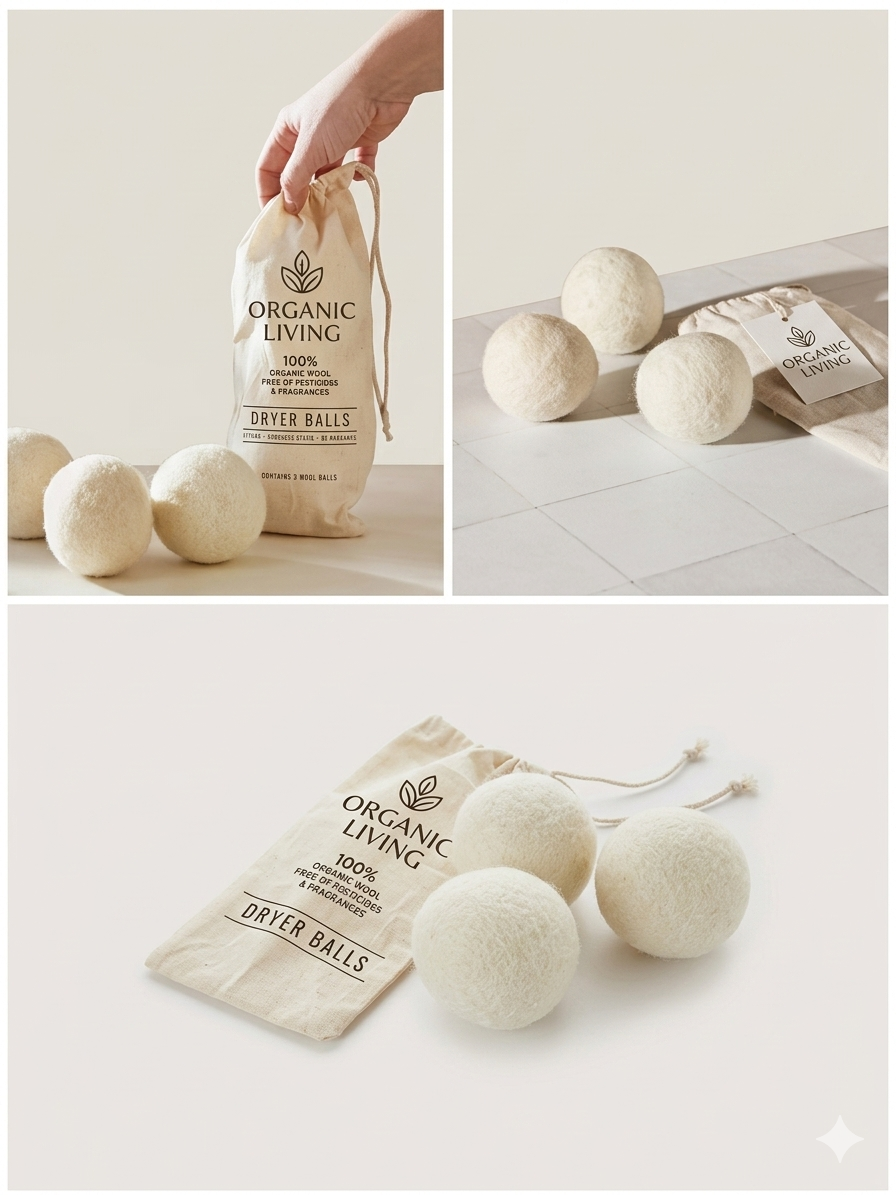
Learn about the health and environmental concerns of conventional dryer sheets, plus 7 natural alternatives that actually work.
Dryer sheets are one of those household staples most of us never question. They promise soft, static-free, fresh-smelling laundry—and they deliver. But at what cost?
The truth is, conventional dryer sheets contain synthetic chemicals that can impact your health, harm the environment, and pose serious risks to pets. The good news? You can achieve the same results (or better) with natural alternatives that are safer for your family and the planet.
In this article, we'll break down what's really in dryer sheets, why they're problematic, and share 7 natural fabric softener alternatives that work just as well without the chemical residue.
What Are Dryer Sheets and How Do They Work?
Dryer sheets are thin, disposable fabric squares coated with a combination of chemicals designed to reduce static cling, soften fabrics, and add fragrance to your laundry.
Here's how they work:
The heat from your dryer melts the chemical coating on the sheet, which then transfers onto your clothes. This coating typically made of cationic surfactants (also called "quats"), synthetic fragrances, and other compounds—creates a thin film on fabric fibers that reduces friction and static electricity.
While this sounds harmless, that chemical film doesn't just stay on your clothes. It also:
Coats the inside of your dryer
Vents into your home's air and outdoors
Washes down drains when you launder treated fabrics Remains on fabrics that touch your skin 24/7
The Environmental Impact of Dryer Sheets
Conventional dryer sheets create environmental problems at multiple stages of their lifecycle.
Water Contamination
The chemicals in dryer sheets—particularly synthetic fragrances and quats—don't break down easily in water. When you wash clothes that have been treated with dryer sheets, these chemicals enter wastewater systems. Many municipal water treatment facilities aren't equipped to filter them out completely, which means they end up in rivers, lakes, and oceans.
Once in aquatic ecosystems, these chemicals can:
Accumulate in fish and other marine life
Disrupt aquatic plant growth
Persist in sediment for years
Eventually make their way back into our drinking water and food supply
Landfill Waste
Each dryer sheet is used once and thrown away. With millions of households using them regularly, that adds up to significant plastic-based waste sitting in landfills, slowly breaking down and leaching chemicals into soil and groundwater.
Air Quality
Your dryer vent releases the volatile organic compounds (VOCs) from dryer sheets directly into the outdoor air, contributing to neighborhood air pollution. These same VOCs also circulate through your home every time you open the dryer.
Health Concerns for Humans
The "fresh laundry" scent most people associate with cleanliness is actually a cocktail of synthetic fragrance chemicals—and they can have real health impacts.
Respiratory Issues
The EPA classifies many fragrance chemicals as VOCs, which can irritate airways and trigger respiratory problems. For people with asthma, these chemicals can provoke attacks. Even in healthy individuals, regular exposure can cause:
Headaches
Nasal congestion Throat irritation Difficulty breathing
Skin Irritation
The chemical film left on fabrics sits against your skin all day and night. For people with sensitive skin or conditions like eczema, this constant contact can cause:
Rashes and dermatitis Itching and redness
Flare-ups of existing skin conditions
Hormone Disruption
Some chemicals commonly found in synthetic fragrances are known endocrine disruptors, meaning they can interfere with hormone function. This is particularly concerning for children, pregnant women, and anyone with hormone-sensitive conditions.
Chemical Sensitivity
Many people develop fragrance sensitivities over time, experiencing symptoms like migraines, dizziness, or nausea when exposed to scented products including the residue from dryer sheets on other people's clothing.
Why Dryer Sheets Are Dangerous for Pets
Pets face unique risks from dryer sheets that many owners don't realize.
Direct Ingestion
Dryer sheets are one of the most common causes of household poisoning in pets. Dogs and cats may chew on them out of curiosity, leading to:
Excessive drooling
Vomiting and diarrhea
Chemical burns in the mouth and throat Gastrointestinal blockages
In severe cases, organ damage
Indirect Exposure
Even if your pet never eats a dryer sheet, they're still exposed to the chemicals through:
Sleeping on treated bedding
Licking their paws after walking on laundered rugs
Grooming themselves (especially cats, who ingest whatever is on their fur)
Because pets are smaller than humans, the same chemical exposure has a more significant impact on their bodies. Their livers and kidneys work harder to process these toxins, which can contribute to long-term health issues.
7 Natural Fabric Softener Alternatives That Work
Ready to make the switch? Here are proven alternatives that soften clothes, reduce static, and keep laundry fresh—without the chemical residue.
1. Wool Dryer Balls
Why they work: Wool dryer balls physically separate clothes in the dryer, allowing hot air to circulate more efficiently. This reduces static, softens fabrics, and cuts drying time by 10-25%.
How to use: Toss 4-6 balls into your dryer with each load. They last for 1,000+ loads (2- 5 years for most households).
Bonus: Add 3-5 drops of pure essential oil to the balls for natural scent. 2. White Vinegar
Why it works: Vinegar softens water, breaks down detergent residue, and naturally softens fabrics without leaving any scent behind.
How to use: Add 1/2 cup to your washer's fabric softener dispenser or directly to the rinse cycle.
Cost: About 10 cents per load. 3. Baking Soda
Why it works: Baking soda softens water, neutralizes odors, and helps detergent work more effectively.
How to use: Add 1/2 cup to the wash cycle along with your detergent. 4. Essential Oils
Why they work: Pure essential oils provide natural fragrance without synthetic chemicals.
How to use: Add 5-10 drops to wool dryer balls or a damp washcloth and toss in the dryer.
Note: Choose organic, steam-distilled oils. Avoid if you have scent sensitivities. 5. Soap Nuts
Why they work: These dried berries contain natural saponins that clean and soften fabrics.
How to use: Place 4-5 soap nuts in a cotton bag and add to your wash. Reuse the same nuts for 5-7 loads.
6. Epsom Salt + Baking Soda Blend
Why You Should Ditch Dryer Sheets (And What to Use Instead)
Learn about the health and environmental concerns of conventional dryer sheets, plus 7 natural alternatives that actually work.
Dryer sheets are one of those household staples most of us never question. They promise soft, static-free, fresh-smelling laundry and they deliver. But at what cost?
The truth is, conventional dryer sheets contain synthetic chemicals that can impact your health, harm the environment, and pose serious risks to pets. The good news? You can achieve the same results (or better) with natural alternatives that are safer for your family and the planet.
In this article, we'll break down what's really in dryer sheets, why they're problematic, and share 7 natural fabric softener alternatives that work just as well without the chemical residue.
What Are Dryer Sheets and How Do They Work?
Dryer sheets are thin, disposable fabric squares coated with a combination of chemicals designed to reduce static cling, soften fabrics, and add fragrance to your laundry.
Here's how they work:
The heat from your dryer melts the chemical coating on the sheet, which then transfers onto your clothes. This coating typically made of cationic surfactants (also called "quats"), synthetic fragrances, and other compound creates a thin film on fabric fibers that reduces friction and static electricity.
While this sounds harmless, that chemical film doesn't just stay on your clothes. It also:
Coats the inside of your dryer
Vents into your home's air and outdoors
Washes down drains when you launder treated fabrics Remains on fabrics that touch your skin 24/7
The Environmental Impact of Dryer Sheets
Conventional dryer sheets create environmental problems at multiple stages of their lifecycle.
Water Contamination
The chemicals in dryer sheets particularly synthetic fragrances and quats don't break down easily in water. When you wash clothes that have been treated with dryer sheets, these chemicals enter wastewater systems. Many municipal water treatment facilities aren't equipped to filter them out completely, which means they end up in rivers, lakes, and oceans.
Once in aquatic ecosystems, these chemicals can:
Accumulate in fish and other marine life
Disrupt aquatic plant growth
Persist in sediment for years
Eventually make their way back into our drinking water and food supply
Landfill Waste
Each dryer sheet is used once and thrown away. With millions of households using them regularly, that adds up to significant plastic-based waste sitting in landfills, slowly breaking down and leaching chemicals into soil and groundwater.
Air Quality
Your dryer vent releases the volatile organic compounds (VOCs) from dryer sheets directly into the outdoor air, contributing to neighborhood air pollution. These same VOCs also circulate through your home every time you open the dryer.
Health Concerns for Humans
The "fresh laundry" scent most people associate with cleanliness is actually a cocktail of synthetic fragrance chemicals and they can have real health impacts.
Respiratory Issues
The EPA classifies many fragrance chemicals as VOCs, which can irritate airways and trigger respiratory problems. For people with asthma, these chemicals can provoke attacks. Even in healthy individuals, regular exposure can cause:
Headaches
Nasal congestion Throat irritation Difficulty breathing
Skin Irritation
The chemical film left on fabrics sits against your skin all day and night. For people with sensitive skin or conditions like eczema, this constant contact can cause:
Rashes and dermatitis Itching and redness
Flare-ups of existing skin conditions
Hormone Disruption
Some chemicals commonly found in synthetic fragrances are known endocrine disruptors, meaning they can interfere with hormone function. This is particularly concerning for children, pregnant women, and anyone with hormone-sensitive conditions.
Chemical Sensitivity
Many people develop fragrance sensitivities over time, experiencing symptoms like migraines, dizziness, or nausea when exposed to scented products including the residue from dryer sheets on other people's clothing.
Why Dryer Sheets Are Dangerous for Pets
Pets face unique risks from dryer sheets that many owners don't realize.
Direct Ingestion
Dryer sheets are one of the most common causes of household poisoning in pets. Dogs and cats may chew on them out of curiosity, leading to:
Excessive drooling
Vomiting and diarrhea
Chemical burns in the mouth and throat Gastrointestinal blockages
In severe cases, organ damage
Indirect Exposure
Even if your pet never eats a dryer sheet, they're still exposed to the chemicals through:
Sleeping on treated bedding
Licking their paws after walking on laundered rugs
Grooming themselves (especially cats, who ingest whatever is on their fur)
Because pets are smaller than humans, the same chemical exposure has a more significant impact on their bodies. Their livers and kidneys work harder to process these toxins, which can contribute to long-term health issues.
7 Natural Fabric Softener Alternatives That Work
Ready to make the switch? Here are proven alternatives that soften clothes, reduce static, and keep laundry fresh without the chemical residue.
1. Wool Dryer Balls
Why they work: Wool dryer balls physically separate clothes in the dryer, allowing hot air to circulate more efficiently. This reduces static, softens fabrics, and cuts drying time by 10-25%.
How to use: Toss 4-6 balls into your dryer with each load. They last for 1,000+ loads (2- 5 years for most households).
Bonus: Add 3-5 drops of pure essential oil to the balls for natural scent. 2. White Vinegar
Why it works: Vinegar softens water, breaks down detergent residue, and naturally softens fabrics without leaving any scent behind.
How to use: Add 1/2 cup to your washer's fabric softener dispenser or directly to the rinse cycle.
Cost: About 10 cents per load. 3. Baking Soda
Why it works: Baking soda softens water, neutralizes odors, and helps detergent work more effectively.
How to use: Add 1/2 cup to the wash cycle along with your detergent. 4. Essential Oils
Why they work: Pure essential oils provide natural fragrance without synthetic chemicals.
How to use: Add 5-10 drops to wool dryer balls or a damp washcloth and toss in the dryer.
Note: Choose organic, steam-distilled oils. Avoid if you have scent sensitivities. 5. Soap Nuts
Why they work: These dried berries contain natural saponins that clean and soften fabrics.
How to use: Place 4-5 soap nuts in a cotton bag and add to your wash. Reuse the same nuts for 5-7 loads.
6. Epsom Salt + Baking Soda Blend
Why it works: This combination softens water and fabrics while neutralizing odors. How to use: Mix 2 cups Epsom salt with 1/2 cup baking soda. Add 1/4 cup to each
wash cycle.
7. Vegetable Glycerin
Why it works: This plant-derived ingredient softens fabrics gently without harsh
chemicals.
How to use: Add 1-2 tablespoons to the fabric softener dispenser.
Making the Switch
Transitioning away from dryer sheets doesn't require a complete laundry overhaul. Start with one alternative wool dryer balls are the most popular for good reason and give it a few weeks.
You'll likely notice:
Clothes feel just as soft (often softer)
Reduced drying time and energy costs Cleaner-smelling laundry (without artificial fragrance) Fewer respiratory or skin issues
Peace of mind about what's touching your family's skin
The dryer sheet industry has convinced us their product is essential. It's not. You have everything you need to create soft, fresh, static-free laundry without chemical residue and your family, pets, and the environment will benefit from the change.
Ready to try a natural alternative? Pick one from the list above and see the difference for yourself.
